Water’s pouring through your ceiling. Or pooling under the sink. Maybe you heard that unmistakable sound of rushing water where it shouldn’t be. A burst pipe doesn’t announce itself politely—it floods your home in minutes and forces you into crisis mode.
You need answers fast. Where’s the shut-off valve? Who can get here today? What’s this going to cost? And how do you stop the damage from getting worse while you wait?
Let’s walk through exactly what to do right now, then cover what you need to know about burst pipe repair in Brevard County.
What to Do the Moment You Discover a Burst Pipe
First things first: stop the water. Everything else can wait.
Your main water shut-off valve controls the flow into your entire house. Turn it off immediately. In Brevard County homes, you’ll typically find this valve in one of three places: outside near where the water line enters your house, in your garage near the water heater, or in a utility closet. Some older homes have it in an underground box near the street.
Can’t find it? Look along the perimeter of your home at ground level. It’s usually close to an exterior wall. The valve itself either has a round wheel handle or a lever that turns perpendicular to the pipe.
Once the water’s off, you’ve bought yourself time. Now you can assess the damage, move valuables away from wet areas, and call for help without watching the problem get exponentially worse every minute.
Where Is the Water Shut Off Valve in Florida Homes
Most Florida homeowners don’t know where their main shut-off valve is until they desperately need it. That’s a problem when water’s actively flooding your house.
Florida homes are different from northern properties. We don’t have basements here. The valve isn’t tucked away underground where pipes need frost protection. Instead, builders install shut-off valves in accessible locations that make sense for our climate.
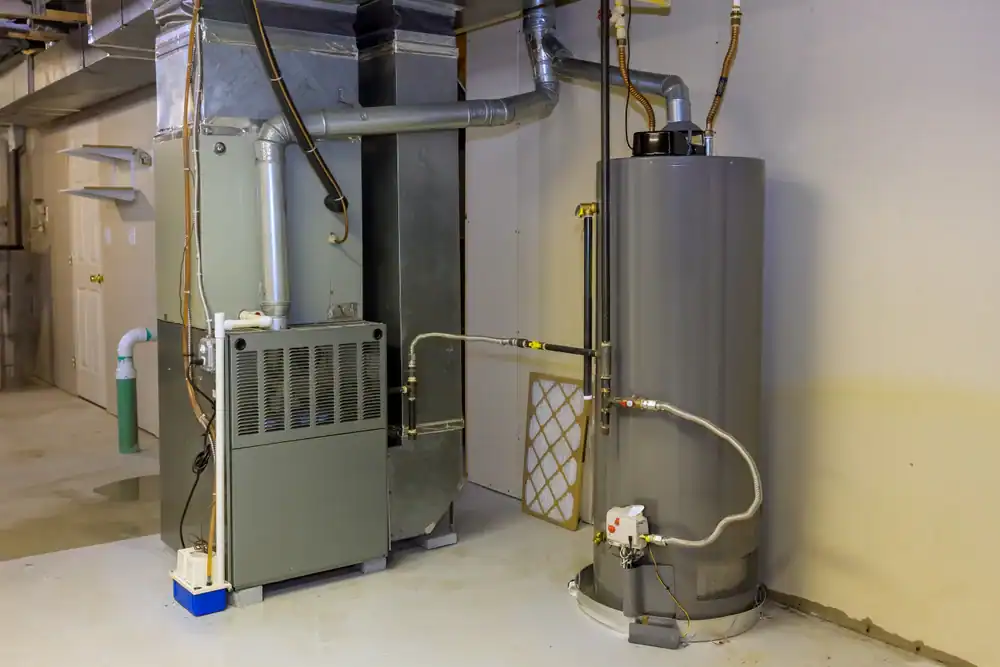
Check your garage first. If you have a water heater in there, look at the wall behind it or nearby. The main shut-off is often within a few feet of where the water heater connects. You’re looking for a valve on a larger pipe—usually three-quarters of an inch to one inch in diameter—not the smaller supply lines.
No garage? Head outside. Walk the perimeter of your house and look for a valve near an exterior wall, typically on the side facing the street. Sometimes it’s right there on the wall. Other times it’s in a green or black plastic box flush with the ground. You might need to clear some grass or mulch to find it.
In newer Brevard County construction, especially in communities built after 2000, the valve might be in a utility room or closet inside the house. Check anywhere you see the water heater, washing machine hookups, or where multiple pipes converge.
Here’s what matters: find this valve today, not during an emergency. Walk outside right now if you need to. Mark it with bright tape or take a photo of its location. Make sure everyone in your household knows where it is and how to turn it. This five-minute task could save you thousands of dollars in water damage.
The valve works one of two ways. A ball valve has a lever handle—turn it 90 degrees until it’s perpendicular to the pipe and water stops. A gate valve has a round wheel—turn it clockwise until it won’t turn anymore. Both types need to be turned fully to stop all water flow.
One more thing. If your valve is outside in a ground box, you might need a water key to operate it. These cost about ten dollars at any hardware store. Buy one and keep it accessible. Some valves are stiff from years of not being used. If yours won’t budge, don’t force it and risk breaking it off. That creates a bigger emergency. Call us instead.
Why Pipes Burst in Florida (It’s Not Just Cold Weather)
Everyone thinks burst pipes only happen up north when temperatures drop below freezing. That’s not true in Florida, and that misconception leaves homeowners unprepared.
Brevard County pipes face different stresses. Corrosion ranks as the number one cause here. Our water contains minerals and chemicals that react with metal pipes over time. Galvanized steel and iron pipes—common in homes built before 1990—gradually thin from the inside out. Eventually they can’t handle normal water pressure anymore. They weaken, crack, and burst.
You can’t see this happening. The corrosion occurs inside the pipe where rust and mineral buildup slowly eat away at the metal. By the time you notice discolored water or reduced pressure, the damage is already significant. One surge in pressure or one weak spot, and suddenly you’re dealing with a flood.
High water pressure causes problems too. Brevard County’s municipal water systems sometimes deliver pressure above 80 PSI. That’s higher than most residential pipes are designed to handle long-term. Constant high pressure stresses joints, fittings, and weak points. Eventually something gives.
Coastal humidity accelerates deterioration. We live near salt water. That salty, humid air gets into crawl spaces, attics, and anywhere pipes are exposed. It speeds up corrosion on the outside of pipes while minerals attack from the inside. It’s a two-front assault that northern pipes don’t face.
Hidden leaks create burst pipes too. A small drip you never notice keeps pipes and surrounding materials constantly wet. That moisture corrodes the pipe further. Joints weaken. Then one day the small leak becomes a catastrophic failure. The pipe doesn’t gradually get worse—it suddenly bursts and floods your home.
Poor installation or cheap materials guarantee future problems. Homes built during construction booms sometimes cut corners. Improper fittings, substandard materials, or installation that doesn’t meet code create weak points that fail years later. You inherit someone else’s shortcuts.
Even Florida’s occasional cold snaps cause burst pipes. We’re not talking about sustained freezing like Minnesota sees. Just one night dropping into the twenties can freeze water in exposed pipes—outdoor faucets, pipes in uninsulated attics, or lines running through exterior walls. Water expands when it freezes. That expansion cracks the pipe. You don’t discover the problem until temperatures rise and the ice melts, releasing water into your home.
Tree roots infiltrate underground pipes searching for water. Florida’s aggressive vegetation sends roots through any crack or weak joint in sewer lines and water supply pipes. Those roots expand, creating blockages and pressure that eventually burst the pipe.
The point is this: if you own a home in Brevard County with pipes more than 20 years old, you’re at risk. The question isn’t if you’ll deal with pipe problems, but when. Regular inspections catch issues before they become emergencies. We can spot corrosion, test water pressure, and identify weak points before they fail at 2 AM on a Sunday.
Emergency Water Heater Repair: When It Can’t Wait
Water heaters fail differently than pipes, but the results can be just as catastrophic. A tank holding 40 to 50 gallons suddenly releasing all that water creates an instant flood that damages everything in its path.
You’ll know you have a water heater emergency when you see water pooling around the base of the tank, hear hissing or popping sounds, smell gas (for gas units), or discover you have no hot water combined with visible leaks. These aren’t problems you can put off until Monday.
Most water heater failures happen gradually then suddenly. The tank corrodes from the inside over years. Sediment builds up. The anode rod that prevents rust deteriorates. Then one day the tank springs a leak or the pressure relief valve fails. What was fine yesterday is now flooding your garage.
Some situations require immediate professional help. If your gas water heater is leaking and you smell gas, shut off the gas supply immediately and call for emergency service. Don’t try to fix this yourself. Gas leaks combined with water create dangerous conditions. If your electric water heater is leaking near electrical connections, turn off the breaker to that circuit before water reaches electrical components.
Water Heater Repair Cost: What to Expect in Brevard County
Let’s talk numbers because you need to know if you’re getting a fair price or being taken advantage of during an emergency.
Standard water heater repairs in Florida typically run between $150 and $600. That’s for common fixes like replacing a thermostat, heating element, or pressure relief valve. A thermostat replacement usually costs $150 to $200. A heating element runs $250 to $400. These are straightforward repairs that a qualified plumber can complete in a couple of hours.
Emergency calls cost more. That’s just reality. When you call at 10 PM on Saturday because your water heater is flooding the garage, you’re paying for immediate availability and after-hours service. Expect emergency rates to run 1.5 to 2 times normal pricing. A repair that would cost $300 during business hours might cost $450 to $600 as an emergency call.
Here’s what matters: you should know the price before work begins. We provide upfront estimates even during emergencies. We’ll diagnose the problem, tell you what it costs to fix, and let you decide. If someone won’t give you a price until after the work is done, that’s a red flag.
Tank replacement is different. If your water heater is leaking from the tank itself—not a valve or fitting, but actually from the tank—it can’t be repaired. The tank is compromised. You need replacement. That runs $1,000 to $3,000 depending on the type and size of unit you choose.
The age of your water heater matters when deciding between repair and replacement. If your unit is under seven years old and needs a $400 repair, fix it. You’ll likely get several more years of service. If it’s over ten years old and needs a $500 repair, replacement makes more financial sense. You’re putting money into a system that’s near the end of its lifespan anyway.
Service call fees are standard. Most plumbers charge $50 to $100 just to come out, diagnose the problem, and provide an estimate. Many waive that fee if you proceed with the repair. Ask about this upfront. During emergencies, diagnostic fees might be higher—$80 to $150—especially if the problem requires extensive troubleshooting.
Your warranty might cover parts or even labor. Most water heaters come with a one-year full warranty covering all repairs and labor, then a five-year limited warranty covering replacement parts but not labor. Check your paperwork. If you’re still under warranty, you might only pay for the service call and labor, not the parts. That can cut your costs significantly.
Tankless water heaters cost more to repair than traditional tanks. The systems are more complex. Parts cost more. Repairs take longer. A tankless repair that would cost $300 on a traditional tank might run $500 to $800. But tankless units also last longer and fail less frequently, so you deal with repairs less often.
Here’s the bottom line: get multiple quotes when possible, but don’t let price be your only consideration during an emergency. The cheapest plumber might cut corners or use inferior parts. You want someone licensed, insured, and experienced who’ll fix it right the first time. Paying $100 more for quality work beats paying twice to fix the same problem.
Signs Your Water Heater Needs Emergency Repair
Some water heater problems can wait until Monday. Others can’t. Here’s how to tell the difference.
Call for emergency service immediately if you see water pooling around the base of your tank. This indicates a leak that will only get worse. Water heaters hold 40 to 50 gallons. If that tank fails completely, you’re looking at serious flooding. Don’t wait to see if it gets worse. It will.
Discolored or rusty water coming from your hot water taps signals internal tank corrosion. The anode rod that prevents rust has failed, and now the tank itself is corroding. This doesn’t always require emergency service, but it means your water heater is near the end of its life. Start planning for replacement soon.
Strange noises—popping, banging, or rumbling—indicate sediment buildup at the bottom of the tank. Minerals in Florida’s water settle and harden over time. When water heats, it has to force its way through this sediment layer, creating noise. Sediment reduces efficiency and accelerates tank failure. This needs attention but usually isn’t an emergency unless combined with other symptoms.
No hot water combined with visible leaks requires immediate attention. The heating element or thermostat failed, and something’s leaking. That’s a problem that won’t fix itself and will cause water damage if ignored.
If you smell gas near a gas water heater, treat it as an emergency. Shut off the gas supply valve, evacuate the area, and call for help. Don’t try to diagnose or fix this yourself. Gas leaks are dangerous.
Lukewarm water or inconsistent hot water isn’t typically an emergency, but it indicates a failing heating element or thermostat. You can schedule regular service for this. However, if you run a business or have specific needs that make hot water essential, treat it as urgent.
The pressure relief valve dripping constantly means the valve is failing or water pressure is too high. A failing pressure relief valve can cause dangerous pressure buildup in the tank. This needs repair soon, though it’s not always a middle-of-the-night emergency unless water is pouring out.
Trust your instincts. If something seems seriously wrong—lots of water, strange smells, concerning sounds—call for emergency service. The cost of an emergency call is nothing compared to the cost of water damage, mold remediation, and replacing belongings.
Fast Response When Brevard County Pipes Fail
Burst pipes and water heater failures don’t wait for convenient timing. They happen at 2 AM, on holidays, and during the worst possible moments. What matters then isn’t just getting someone to show up—it’s getting someone who knows what they’re doing and will fix it right.
You need a plumber who understands Florida’s specific challenges. Coastal corrosion. Aging cast iron in older Brevard County homes. The unique stress our climate puts on plumbing systems. Someone with decades of hands-on experience, not someone who just got their license last year.
You also need transparency during crisis moments. Fair pricing when you’re vulnerable. No finger-pointing between multiple contractors when the pipe is fixed but now you need drywall, tile, and paint work. A one-stop solution that handles the entire problem from emergency repair through final restoration.
That’s what we bring to every emergency call in Cocoa, Rockledge, Merritt Island, and throughout Brevard County. Forty-five years of combined plumbing experience. Personal oversight on every job. Licensed, insured, and built on military values that mean showing up when promised and doing what’s promised. When your home is flooding and you need help now, that’s what matters.