You’re planning a plumbing project. Maybe it’s a bathroom remodel, a water heater replacement, or finally dealing with those aging cast iron pipes. Then someone mentions permits, and suddenly you’re stuck wondering if you actually need one, who pulls it, and what happens if you don’t.
Here’s the thing: getting this wrong costs more than the permit ever would. We’re talking fines, insurance headaches, and deals that fall apart when you try to sell. This guide walks you through exactly when plumbing permits are required in Brevard County, FL, how the process actually works, and why cutting corners here isn’t worth the risk.
When You Need Plumbing Permits in Brevard County
The short answer: if you’re doing anything beyond basic repairs or swapping out a fixture without touching the pipes, you probably need a permit. Brevard County follows Florida Building Code requirements, and the plumbing permit requirements are pretty clear once you know what triggers them.
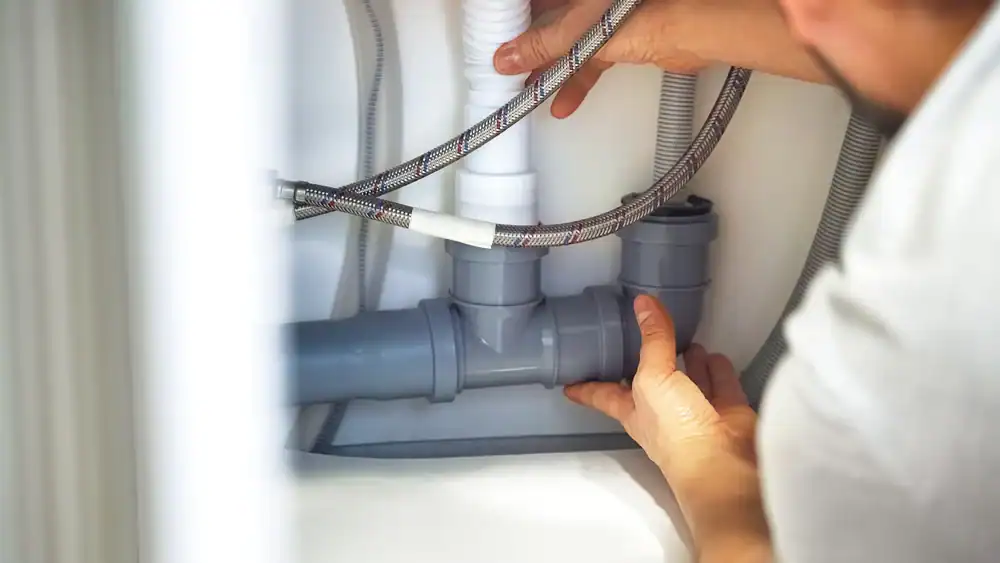
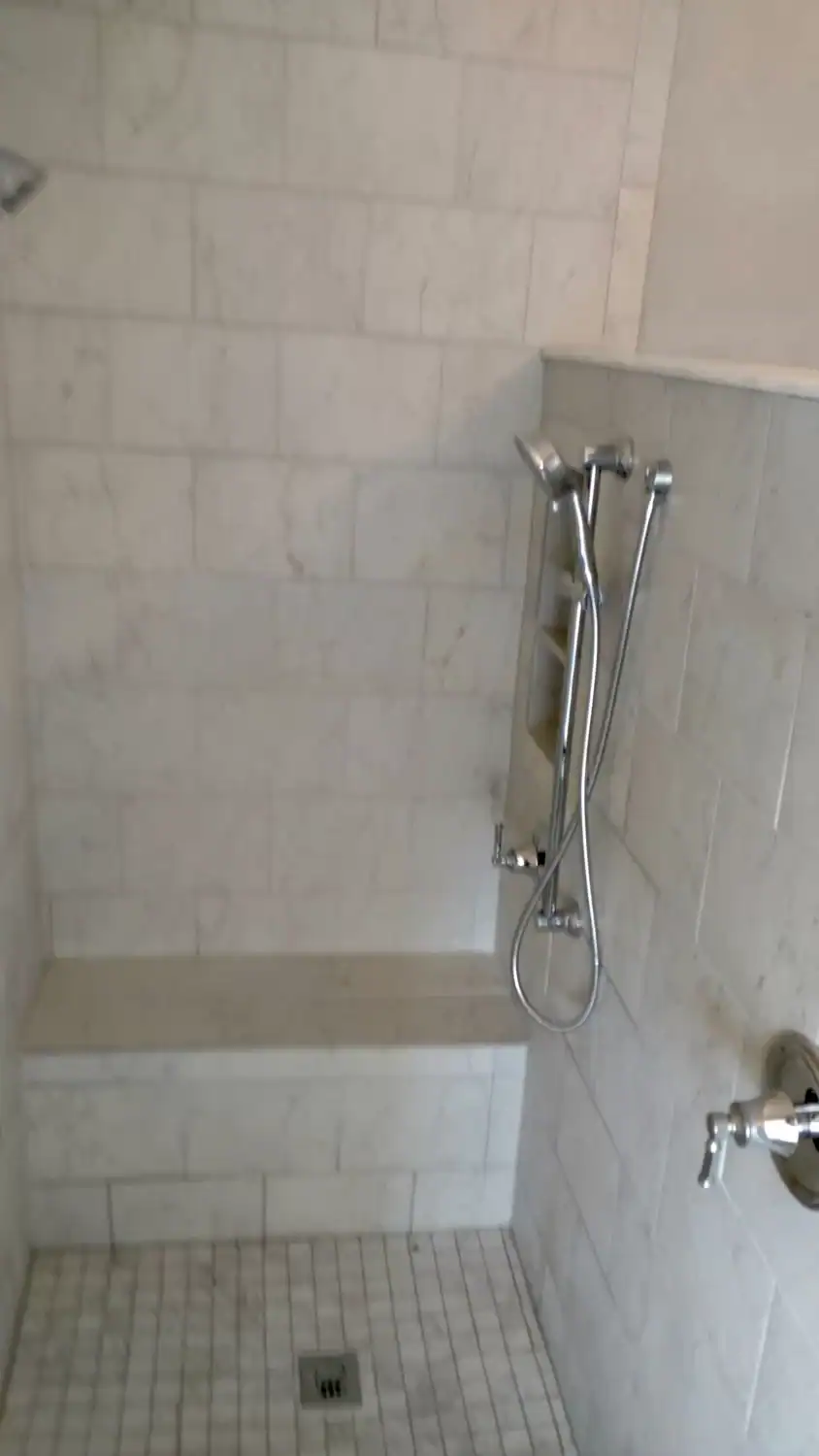
Any work that involves installing, replacing, or relocating water lines, sewer lines, gas piping, or drainage systems requires a permit. That includes water heaters, even if you’re just replacing an old one with a new model in the same spot. It includes bathroom remodels where you’re moving a toilet or adding a shower. It definitely includes repiping projects, cast iron replacements, and any work that connects to your main water or sewer service.
What doesn’t require a permit? Simple stuff. Replacing a faucet. Fixing a leaky pipe without changing the pipe itself. Clearing a clog. Installing a new showerhead. Basically, if you’re not cutting into walls, opening floors, or altering the plumbing system’s layout or capacity, you’re usually in the clear.
What Happens When You Skip Permits: Fines, Insurance Denials, and Failed Home Sales
Let’s talk about unpermitted plumbing work and what actually happens when you skip the permit. It’s not just a slap on the wrist.
First, there are the fines. Brevard County, FL can issue citations starting around $500 and climbing past $5,000 depending on the scope of work and how long it’s been going on. If you’re caught mid-project, you’ll likely get a stop-work order, which means everything halts until you pull the permit, pay the fines, and potentially redo work so it can be inspected properly.
Then there’s your homeowners insurance. Most policies won’t cover damage caused by unpermitted plumbing work. So if that unpermitted water heater leaks and floods your house, or if faulty plumbing causes a mold problem, your claim could be denied. You’re on the hook for everything.
The real pain shows up when you try to sell. Home inspectors and appraisers look for permits, especially on newer work. If they find unpermitted plumbing, buyers walk. Banks refuse loans. You’re forced to either get retroactive permits (expensive and time-consuming), rip out the work, or slash your asking price by tens of thousands of dollars just to close the deal. And here’s the kicker: as the current property owner, you’re responsible for fixing violations even if the previous owner did the work.
Some contractors will tell you permits aren’t necessary to save time or keep costs down. That’s a red flag. A licensed contractor who knows what they’re doing handles permits as part of the job. If someone’s trying to skip that step, they’re either cutting corners on the work itself or setting you up to take the fall later.
Licensed Contractors vs DIY: Who Can Pull Permits and How It Works
There’s a big difference between how a licensed plumbing contractor pulls permits and how a homeowner does it in Brevard County, FL.
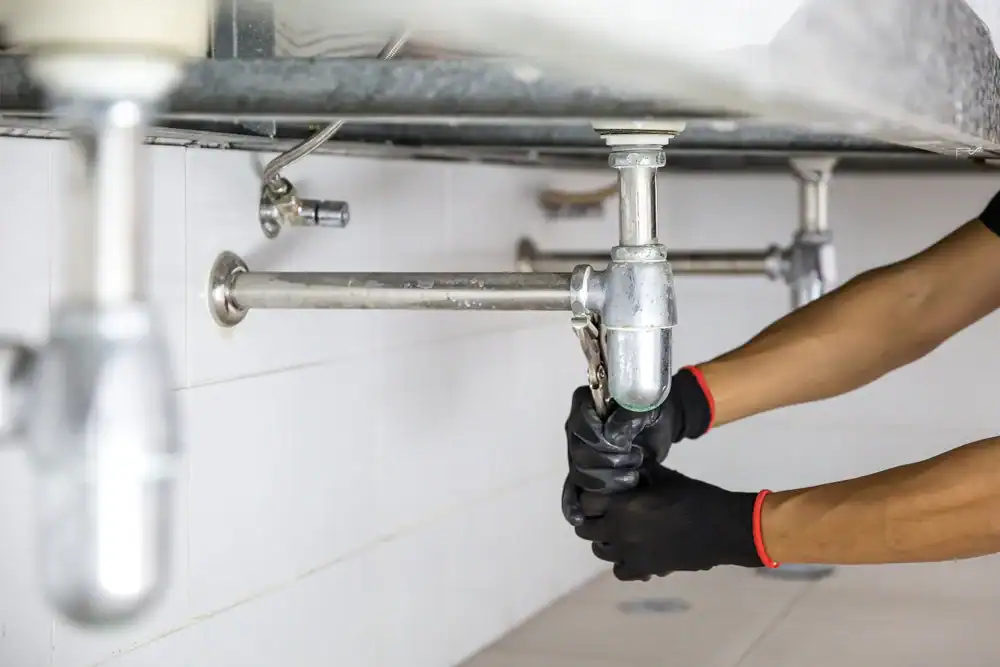
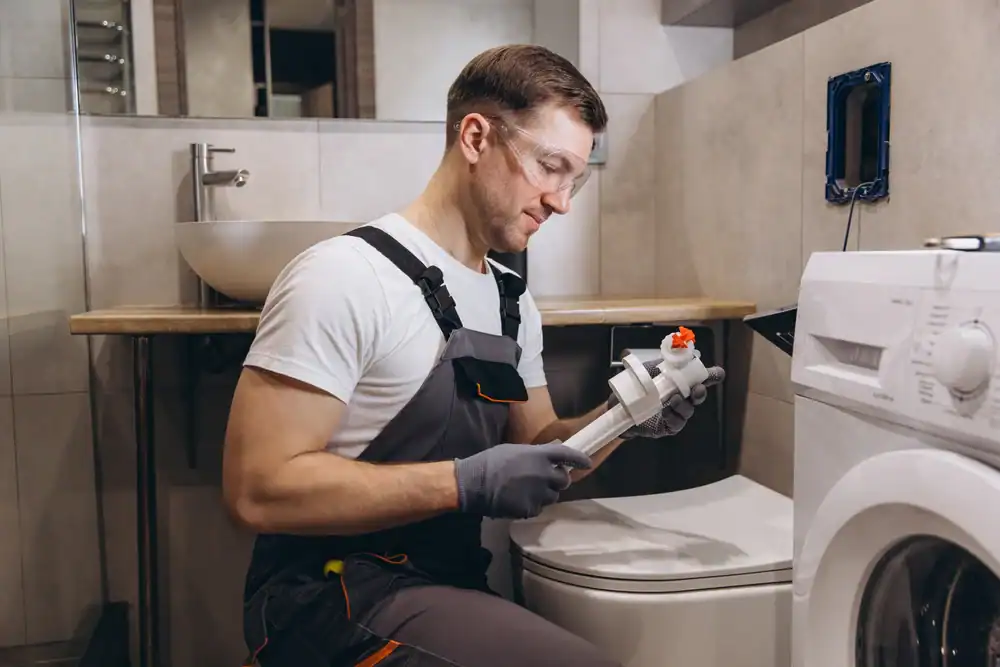
When you hire a licensed plumber, they handle the permit application, submit the required documents, schedule inspections, and make sure everything passes. They know Florida plumbing codes inside and out. They understand what inspectors are looking for. They’ve done this hundreds of times. The permit goes under their license number, which means they’re accountable for the work meeting code standards. That’s actually a good thing for you—it’s their reputation and license on the line, so they have every reason to do it right.
Homeowners can pull their own permits in Florida, but there are rules. Under Florida Statute Section 489.103, if you’re acting as your own contractor, you have to personally appear at the Brevard County Building Department to submit the application. You can’t hire an unlicensed handyman and pull a permit for them. The work has to be done by you, on your own primary residence, and it can’t be for resale.
Here’s where DIY gets tricky: you’re responsible for knowing the code, doing the work to code, and scheduling the right inspections at the right times. Miss something, and you fail the inspection. That means delays, re-inspection fees, and possibly having to tear out work and start over. Most homeowners don’t realize how specific plumbing permit requirements are—pipe slopes, vent sizing, trap placement, water heater clearances, earthquake strapping. It’s not intuitive, and the inspector won’t walk you through it.
If you’re doing a small, straightforward project and you’re confident in your skills, pulling your own permit is legal. But for anything complex—repiping, bathroom additions, gas line work—hiring a licensed contractor who handles the permit process is almost always faster, safer, and less stressful. You’re not just paying for labor. You’re paying for expertise, accountability, and the peace of mind that comes with knowing the work will pass inspection the first time.
Florida Plumbing Codes: What Homeowners Should Know
Florida doesn’t mess around with plumbing codes. The state uses the Florida Building Code, Plumbing, which is based on the International Plumbing Code but adapted for Florida’s climate and conditions. The current version is the 2023 edition, and it’s what Brevard County inspectors use when they review your work.
Why does this matter to you? Because Florida’s humidity, coastal conditions, and water quality create challenges you don’t see in other states. The code accounts for that. It specifies which pipe materials hold up in our environment—CPVC, PEX, and copper are approved; polybutylene is banned because it degrades. It sets standards for proper venting to prevent sewer gas from backing up into your home. It requires backflow prevention devices to keep contaminated water from entering the potable supply.
Understanding the basics helps you have smarter conversations with contractors and know what to expect during inspections. You don’t need to memorize the code, but knowing it exists and that it’s there to protect you makes the permit process feel less arbitrary.
The Plumbing Inspection Process: Rough-In to Final Approval
Once your permit is pulled, the work gets done in stages, and the plumbing inspection process happens along the way. This is how it actually works in Brevard County, FL.
The first inspection is usually the rough-in. This happens after the plumbing is installed but before anything gets covered up by drywall, tile, or concrete. The inspector checks pipe sizing, slopes, connections, venting, and whether everything meets Florida plumbing codes. This is critical because once walls are closed, you can’t see the work anymore. If something’s wrong and it doesn’t get caught now, you’ll be tearing out finished surfaces later to fix it.
After rough-in passes, you finish the job—install fixtures, connect water heaters, complete the work. Then you schedule the final inspection. The inspector verifies that fixtures are installed correctly, water heaters are strapped and vented properly, and everything functions as it should.
In Brevard County, you can schedule inspections through the county’s online system (BASS) or by phone. You typically need to request an inspection at least 24 hours in advance. Inspectors work on a schedule, so calling the morning of and expecting same-day service usually doesn’t fly. Some contractors use private inspection providers authorized under Florida Statute 553.791, which allows for faster, even same-day virtual inspections. Either way, the process is the same: rough-in, then final.
If an inspection fails, you get a report listing what needs to be corrected. You fix the issues, request a re-inspection, and pay a re-inspection fee. This is why working with someone who knows the code matters—failed inspections cost time and money.
Once everything passes, the permit gets closed out and you’re done. That documentation stays on file with the county, which protects you down the road if questions come up during a sale or refinance.
How to Apply for a Plumbing Permit: Step-by-Step Process
If you’re pulling your own permit or just want to understand what your contractor is doing, here’s how the permit application process works in Brevard County, FL.
Start by determining what type of permit you need. For most residential plumbing work, it’s a standard plumbing permit. Larger remodels that include plumbing, electrical, and structural changes might need a building permit that covers everything.
Gather your documents. You’ll need a property survey or legal description, a detailed scope of work describing what you’re installing or replacing, and drawings or diagrams if you’re rerouting pipes or adding fixtures. Homeowners acting as their own contractor should bring proof of ownership—a deed or tax bill works—and be prepared to appear in person at the Brevard County Planning and Development office.
Submit your application. Registered users can apply online through Brevard’s Advanced Service Site (BASS). Homeowners typically submit in person. Pay the permit fee, which varies based on the scope of work. Small jobs might cost $50 to $100. Larger projects can run several hundred dollars.
Once the permit is issued, you’re clear to start work. Keep the permit posted at the job site. Inspectors will ask to see it.
Schedule your rough-in inspection when the plumbing is in but not covered. After it passes, finish the work and schedule your final inspection. The whole process from application to final inspection can take anywhere from a few days to a few weeks, depending on the complexity of the project and how quickly inspections get scheduled.
Permits expire if work doesn’t start within a certain timeframe—usually six months in Florida. If your project stalls, you may need to renew or reapply, which means more fees.
Protect Your Investment With Proper Permits
Plumbing permits aren’t red tape. They’re your protection against shoddy work, insurance nightmares, and resale disasters. When you understand plumbing permit requirements, when they apply, and how the inspection process works, you’re in control.
The bottom line: if you’re doing work that involves installing, replacing, or moving plumbing systems in Brevard County, FL, get the permit. Hire a licensed contractor who handles it as part of the job. Make sure inspections happen. Keep the documentation.
If you’re planning a plumbing project in Cocoa, Rockledge, Merritt Island, or anywhere in Brevard County and you want it done right the first time, we handle permits, inspections, and code compliance so you don’t have to worry about it. Reach out and let’s talk about your project.