Recurring clogs aren't normal. Learn why local expertise, hydro jetting, and understanding your home's plumbing history make all the difference in Brevard County.
Share:
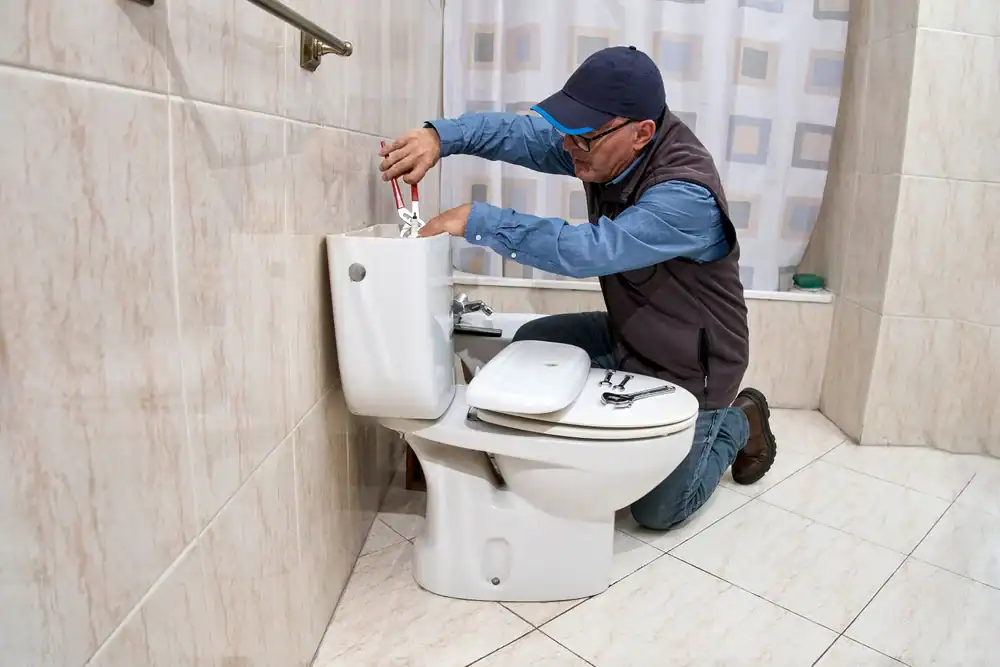
Most recurring clogs aren’t caused by one big blockage. They’re the result of buildup that happens gradually, gets temporarily cleared, then starts forming again in the exact same spot.
Grease is one of the biggest culprits in a clogged kitchen sink. It goes down liquid, cools in the pipes, and sticks to the walls. Over time, that coating catches food particles, soap residue, and anything else flowing through. A snake might poke a hole through it, but the grease layer stays put and starts trapping debris again within days.
In bathrooms, hair combines with soap scum to create a sticky mass that clings to pipe interiors. Snaking pulls some of it out, but the residue left behind acts like velcro for the next round of hair and buildup. You end up with the same slow drain a month later.

Brevard County’s warm, humid climate does more than make summers sticky. It accelerates corrosion inside your pipes, especially if your home was built before 1975 and still has cast iron plumbing.
The area’s water is often highly chlorinated to combat bacterial growth in the heat. That chlorine eats away at pipe interiors over time, creating rough surfaces where buildup catches more easily. You might notice rusty or discolored water, or pressure that’s dropped off compared to a few years ago. These are signs your pipes aren’t just clogged—they’re deteriorating.
Sandy soil and high water tables create another issue: tree roots. Roots naturally seek out moisture, and even a hairline crack in an aging pipe is enough to invite them in. Once they find a way inside, they grow thick and fast, feeding on the nutrients in your sewer line. This is one of the most common causes of recurring drain clogs in homes with mature landscaping.
Florida’s frequent afternoon storms and heavy rainfall keep the ground damp for extended periods, which means roots stay active year-round. They don’t go dormant like they might in colder climates. If you have mature trees anywhere near your drain lines—oaks, ficus, palms, or even that beautiful old magnolia in the front yard—there’s a decent chance they’re part of the problem.
Roots don’t just clog the line. They also catch toilet paper, grease, and anything else trying to pass through, turning a small intrusion into a major blockage. Camera inspections can show exactly where they’ve gotten in and how extensive the damage is, but you need someone who knows what to look for and how Florida’s environment plays into it. That’s where working with local plumbing experts who understand Brevard County’s specific conditions becomes critical.
If your home was built in the 1960s or 70s, there’s a good chance you’re still working with the original cast iron drain lines. Those pipes were built to last, and many of them have—but they’re reaching the end of their lifespan now.
Cast iron corrodes from the inside out. You won’t see it happening because it’s buried in your walls or under the slab, but over time the interior surface gets rough and pitted. That texture grabs onto anything flowing through—grease, hair, soap scum, mineral deposits—and clogs form faster than they would in smooth, modern pipes.
Corrosion also creates weak spots where small cracks develop. Those cracks let tree roots in, and they let wastewater seep out into the surrounding soil. You might notice damp spots in your yard, unexplained increases in your water bill, or even soft areas in your flooring if the leak is under the slab.
Snaking a corroded cast iron line might clear the immediate blockage, but it doesn’t address the rough interior or the cracks that are letting roots infiltrate. The clog comes back because the underlying problem is still there. At a certain point, patching and clearing stops making sense, and replacing the problem section—or re-piping with PEX or copper—becomes the smarter long-term move.
We’ve worked in Brevard County for years and have seen this scenario dozens of times. We know which neighborhoods have aging infrastructure, what warning signs to look for, and when it makes more sense to replace than to keep repairing. That kind of experience doesn’t come from a manual or a corporate training session—it comes from being part of the community and working in these homes year after year. When you need emergency drain repair or a professional rooter service, that local knowledge makes all the difference.
Want live answers?
Connect with a Drain Wizard Plumbing expert for fast, friendly support.
There’s a big difference between clearing a clog and actually cleaning the drain. Snaking breaks through the blockage so water can flow again, but it doesn’t remove the buildup coating your pipes. That’s why the clog comes back.
Hydro jetting services, on the other hand, use high-pressure water—usually between 1,500 and 4,000 PSI—to scour the entire interior of the pipe. It’s not just punching a hole through the problem. It’s stripping away grease, soap scum, mineral deposits, and even small tree roots, leaving the pipe as clean as it was when it was new.
The process starts with a camera inspection to assess the condition of your pipes and locate the blockage. That step is critical because hydro jetting is powerful, and older or damaged pipes might not handle the pressure. We always check first, then adjust our approach based on what we find.
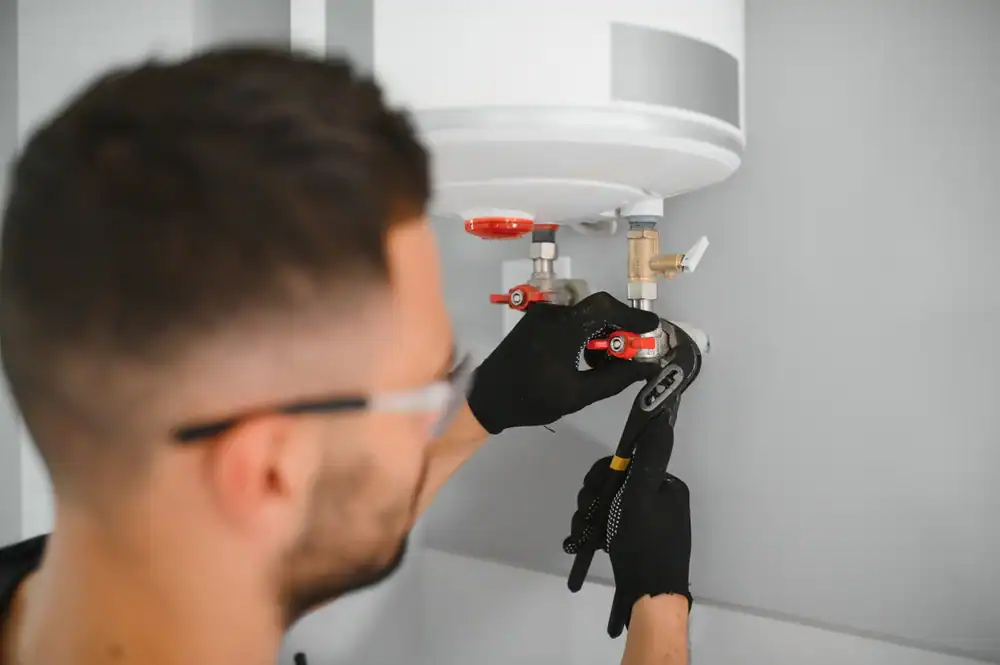
Snaking has its place. It’s fast, affordable, and effective for simple clogs near the surface—like a wad of hair blocking a bathroom sink or a toy stuck in a toilet. If the problem is isolated and straightforward, a snake can handle it without issue.
But for recurring clogs, snaking usually falls short. It creates a path through the blockage, but it leaves the residue behind. Grease stays stuck to the walls. Roots get trimmed back but not removed. Mineral buildup stays in place. Within weeks or months, the clog reforms in the same spot because the conditions that caused it haven’t changed.
Hydro jetting removes those conditions. The high-pressure water blasts away everything clinging to the pipe walls, restoring full diameter and flow. It’s especially effective for grease clogs in kitchen lines, soap and hair buildup in bathroom drains, and root intrusion in sewer lines. This makes it one of the most effective drain cleaning methods available.
Because it’s so thorough, hydro jetting typically lasts three to four times longer than snaking. You’re not just buying a few weeks of relief—you’re getting months or even years before the next cleaning is needed. That makes it more cost-effective over time, even though the upfront price is higher.
It’s also environmentally friendly. No harsh chemicals, no toxic runoff—just water doing the work. That matters in Florida, where septic systems and groundwater quality are ongoing concerns. And unlike chemical drain cleaners that can damage pipes over time, hydro jetting is safe when performed by trained professionals.
The catch is that hydro jetting requires skill and the right equipment. If done incorrectly or on pipes that can’t handle the pressure, it can cause damage. That’s why working with an experienced local plumber matters. We know when hydro jetting is the right call, when snaking makes more sense, and how to protect your plumbing while getting the job done. A professional rooter service will always assess your specific situation before recommending a solution.
National chains have their place, but when it comes to recurring clogs and the specific challenges of Brevard County plumbing, local expertise makes a real difference.
As a local plumber who lives and works in Cocoa, Rockledge, and Merritt Island, we’ve seen the same issues in dozens of homes just like yours. We know which neighborhoods still have cast iron pipes, what tree species cause the most root problems, and how the area’s chlorinated water affects corrosion rates. That knowledge doesn’t come from a training video—it comes from years of hands-on work in the community.
Local plumbers also respond faster. When you call a national chain, your request gets routed through a call center, scheduled based on availability across a wide service area, and assigned to whichever technician happens to be free. That can mean waiting hours or even days during busy periods, which is particularly frustrating when you need emergency drain repair.
As a local company, we’re based right here. We know the area, we’re not traveling from an hour away, and we’re motivated to respond quickly because our reputation depends on it. In a plumbing emergency, that difference matters.
There’s also the question of accountability. National chains operate on volume. Technicians may rotate, you might not see the same person twice, and follow-up can be impersonal. We build relationships. We see you at the grocery store, our kids might go to the same schools, and our business thrives on word-of-mouth referrals. That creates a natural incentive to do the job right the first time.
Pricing tends to be more transparent too. We don’t have franchise fees, corporate overhead, or standardized pricing structures that ignore local market conditions. We can offer competitive rates, upfront estimates, and flexible solutions tailored to your budget and your home’s specific needs.
When you’re dealing with a recurring clog, you want someone who’s going to dig into what’s actually causing it—not just clear the blockage and move on to the next call. That kind of thorough, personalized service is what we do best. Whether you need routine drain cleaning or a comprehensive assessment of your entire system, working with someone who knows Brevard County inside and out gives you the best chance at a permanent fix.
Recurring clogs aren’t something you have to live with. They’re a signal that something in your plumbing needs more than a temporary fix—whether that’s a thorough drain cleaning with hydro jetting, addressing tree root intrusion, or replacing a section of aging pipe that’s reached the end of its useful life.
Working with a local plumber who understands Brevard County’s unique challenges gives you a better shot at a lasting solution. We know the area’s soil, climate, and common plumbing issues. We respond faster, communicate more clearly, and have a stake in making sure the job is done right.
If you’re tired of paying for the same repair over and over, it’s worth having a real conversation about what’s happening in your pipes and what it’ll take to fix it for good. Drain Wizard has been serving the Space Coast since 2007, and we’ve built our reputation on solving problems that others just keep patching. Reach out and let’s figure out what’s really going on.
Article details:
Share:
Continue learning: