Chemical cleaners and improper snaking techniques cause more damage than clogs. Learn which DIY drain cleaning mistakes cost Brevard County homeowners thousands in repairs.
Share:
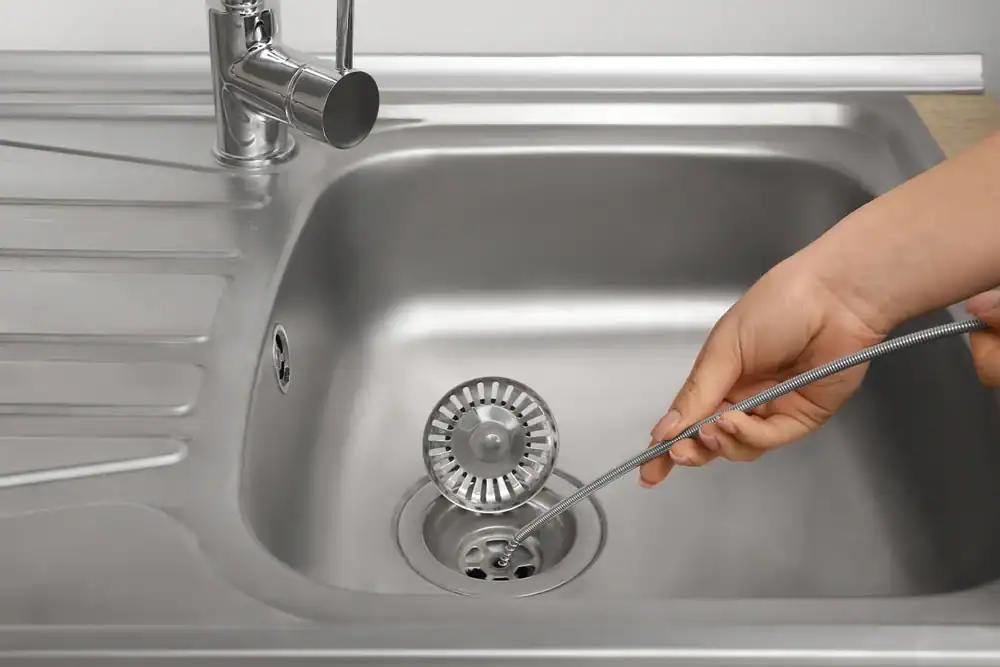
Walk into any hardware store and you’ll see rows of bottles promising to dissolve clogs in minutes. They work—sort of. But what they don’t tell you on the label is what those chemicals do to everything else they touch on the way down.
Most chemical drain cleaners use sodium hydroxide or sulfuric acid to break down organic material. These are the same compounds that generate intense heat and corrosive reactions. Yes, they’ll eat through hair and grease. But they’ll also eat through your pipes if you use them more than once or twice. The damage doesn’t happen overnight. It builds.
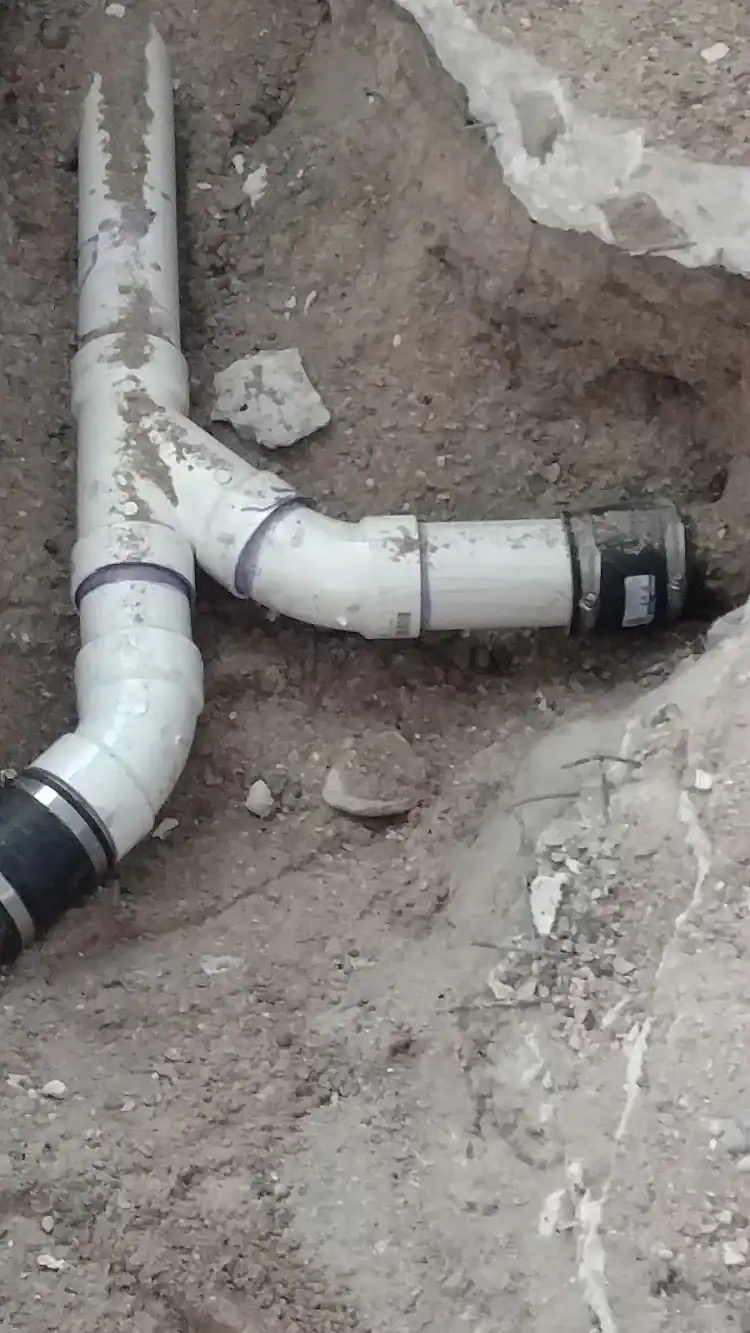
Each time you pour chemicals down the drain, you’re weakening the pipe walls just a little more. PVC softens and warps from the heat. Metal corrodes from the inside out. Joints loosen as seals deteriorate. And one day, what started as a slow drain turns into a cracked pipe behind your wall—or worse, under your foundation where you can’t see it until the damage is severe.
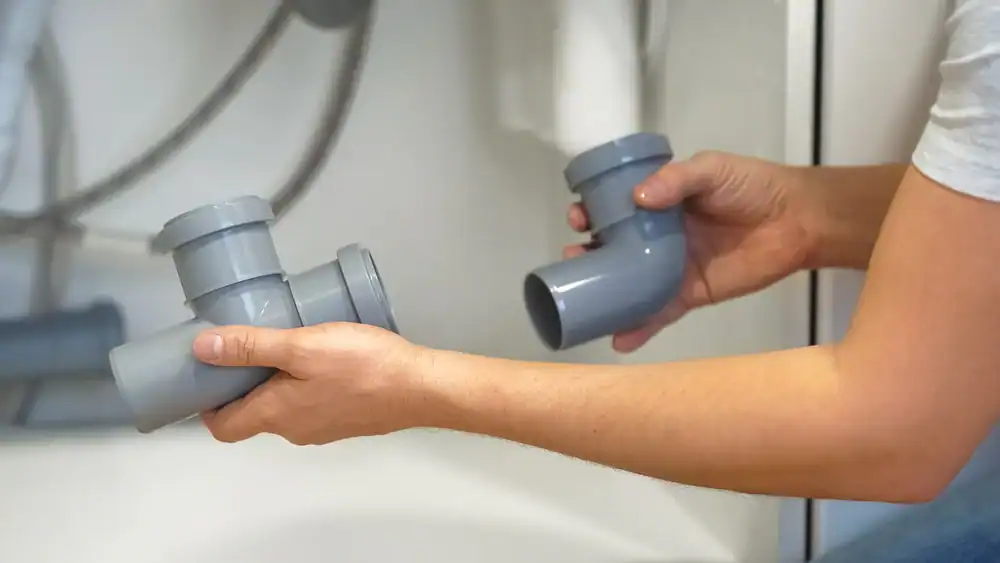
Here’s the part that catches people off guard: the chemicals don’t just disappear after they clear the clog. If there’s standing water or a partial blockage, those caustic substances sit in your pipes, continuing to corrode long after you think the job is done.
Older homes in Brevard County—especially those built before 1975—often have cast iron or galvanized steel pipes. These systems are already dealing with decades of wear from Florida’s humid climate and hard water. Add harsh chemicals into the mix and you’re accelerating corrosion that was going to happen anyway, just much faster. The result? Pitting, rust, weak spots, and eventually leaks that require cutting into walls or floors to fix.
PVC isn’t immune either. The heat generated by chemical reactions can warp plastic pipes, especially if you’re using the product repeatedly or in high concentrations. That warping creates low spots where debris collects, leading to more clogs. It’s a cycle that costs more every time it repeats.
And here’s the kicker: if the chemical cleaner doesn’t fully clear the clog, you’re left with a pipe full of caustic liquid that you can’t safely plunge or snake without risking splashback. That’s when people call us, and by then the damage is already done. The fix isn’t just clearing the clog anymore—it’s repairing or replacing sections of pipe that got eaten away in the process.
Even when chemical cleaners do work, they’re only punching a small hole through the blockage. The buildup on the pipe walls stays put, which means the clog comes back faster than it would have otherwise. You’re not solving the problem. You’re masking it while making the underlying issue worse.
If your Brevard County home is on a septic system, chemical drain cleaners create a whole different set of problems. Septic tanks rely on beneficial bacteria to break down organic waste. Pour harsh chemicals down the drain and you’re killing off those bacteria, which means your system stops working the way it should.
Without enough bacteria, solid waste doesn’t break down properly. It accumulates. The tank fills faster. You need more frequent pumping. And if the problem goes on long enough, you’re looking at septic system failure—one of the most expensive residential repairs you can face.
Some people think using “septic-safe” drain cleaners solves this. It doesn’t. Even milder formulas disrupt the bacterial balance if used regularly. And if you’re dealing with a serious clog, those weaker products won’t clear it anyway, which means you end up using more of them or switching to something stronger.
The smarter move? Skip the chemicals entirely. A properly cleared drain doesn’t need them. And your septic system—along with your pipes—will last a lot longer without that constant chemical assault. If you’re on septic and dealing with recurring clogs, that’s a sign something deeper is wrong. Tree roots, a failing drainfield, or a blocked line all show up as slow drains first. Pouring chemicals on top of those issues just delays the real fix while adding more damage to the mix.
Professional drain cleaning uses methods that actually work with septic systems instead of against them. Camera inspections show exactly what’s causing the problem. Hydro jetting clears the line without chemicals. And you walk away knowing the issue is fixed, not just temporarily masked.
Want live answers?
Connect with a Drain Wizard Plumbing expert for fast, friendly support.
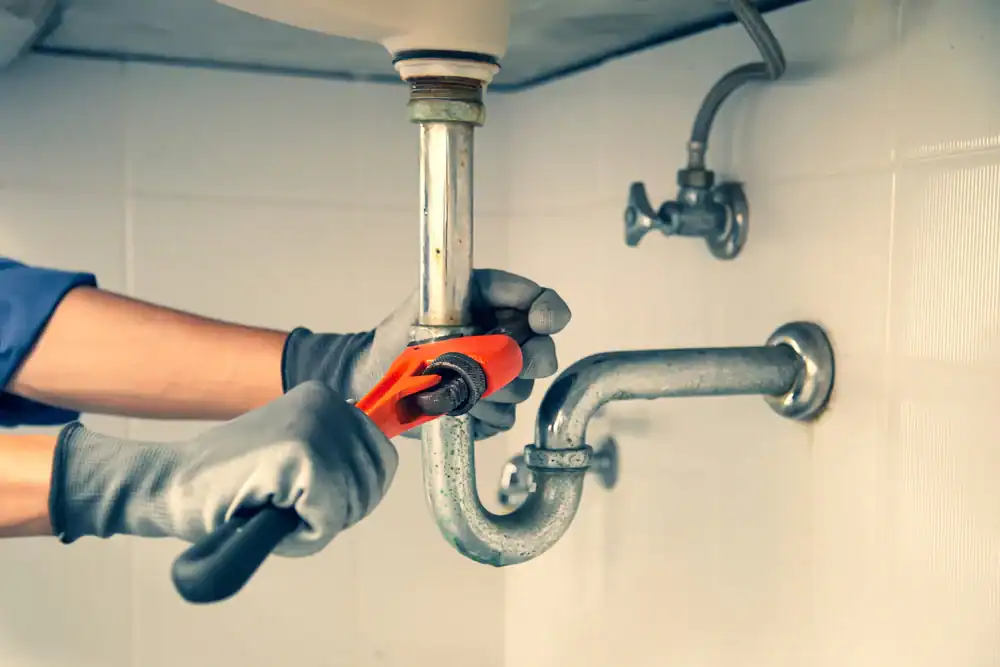
Plumbing snakes seem straightforward. Feed the cable into the drain, twist until you hit the clog, pull it out. Simple, right? Except there’s a reason professional plumbers spend years learning how to use these tools properly. One wrong move and you’ve gone from a clogged drain to a punctured pipe.
The biggest mistake people make is forcing it. When the snake hits resistance—whether that’s the clog or just a bend in the pipe—the instinct is to push harder. That’s when damage happens. Older pipes, especially cast iron or corroded metal, can’t handle aggressive snaking. The cable punches through weak spots, creating leaks that won’t show up until water starts dripping through your ceiling or pooling under your foundation.
Even newer PVC pipes aren’t immune. If you’re cranking too hard or using a snake that’s too large for the pipe diameter, you can crack joints, scratch the interior, or knock connections loose. And once that happens, you’re not just paying to clear a clog anymore—you’re paying to repair or replace the damaged section. That’s especially common in Brevard County homes where coastal humidity and age have already weakened pipe integrity.
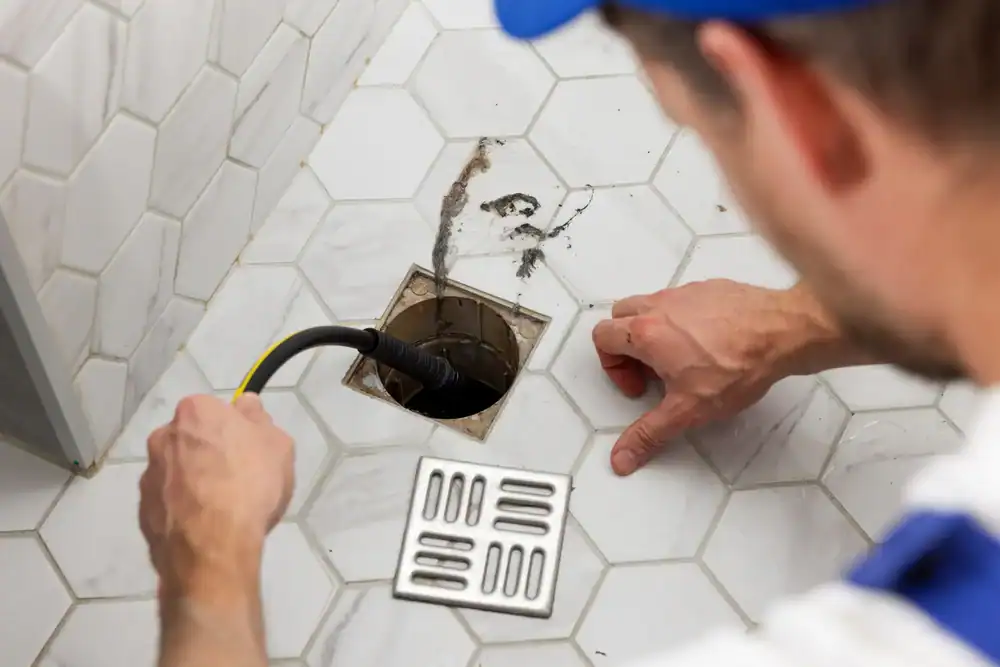
We’ve seen it all. Wire hangers straightened out and shoved down drains. Broom handles used to push clogs deeper. Cheap plastic snakes from the hardware store that break off inside the pipe. These makeshift tools don’t just fail to fix the problem—they make it worse.
Wire hangers are particularly bad. They’re not designed for plumbing, which means they’re too rigid in some spots and too flimsy in others. Push one down a drain and you’re more likely to scratch the pipe interior or get it stuck than you are to actually clear anything. And if it does snag the clog? Pulling it back out often just breaks off pieces that resettle further down the line.
The bigger issue is what you can’t see. When you’re working blind—no camera, no way to know what’s actually down there—you’re guessing. That clog might not be hair and soap. It could be a collapsed section of pipe, tree roots growing through a crack, or a foreign object that’s been stuck for months. Shoving a wire hanger or makeshift rod into any of those situations doesn’t help. It creates new problems.
Professional drain snakes are calibrated for specific pipe sizes and materials. They’re flexible enough to navigate bends without forcing, and strong enough to break up clogs without damaging the pipe. The technician using them knows how much pressure to apply, when to stop, and what resistance feels like versus what damage feels like. That difference—between someone who knows what they’re doing and someone who’s winging it—is the difference between a fixed drain and a repair bill that’s ten times what you were trying to save.
And here’s the part nobody talks about: if your DIY attempt doesn’t work, you’re calling a professional anyway. Except now we have to deal with whatever mess you’ve created on top of the original clog. That takes more time, requires more equipment, and costs more money. Starting with a pro would’ve been cheaper.
Pipes aren’t just straight runs. They’re connected by joints, seals, and fittings that hold everything together. When you’re snaking a drain and you hit a tough clog, the temptation is to push harder or crank the handle faster. That force doesn’t just go into the clog. It goes into every connection point along the way.
Older homes in Brevard County often have pipes that were installed decades ago. The seals have aged. The joints aren’t as tight as they used to be. Apply too much pressure with a plumbing snake and you can loosen those connections, crack the seals, or even shift the pipes out of alignment. You won’t notice it right away. But over time, those compromised joints start leaking. Slowly at first, then faster as water pressure and gravity do their work.
Even in newer plumbing systems, excessive force creates stress points. PVC joints are glued together, and that adhesive bond can only handle so much torque before it gives. If you’re twisting a snake aggressively or yanking it back out without rotating properly, you’re putting strain on every fitting the cable passes through. One weak spot is all it takes.
The other problem? You can’t see what you’re doing. When we snake a drain, we’re feeling for feedback through the cable. We know what a clog feels like versus what a bend feels like versus what a damaged pipe feels like. Without that experience, it’s easy to mistake resistance for a blockage and keep forcing when you should stop. By the time you realize something’s wrong, the damage is done.
This is especially true with motorized or drill-powered snakes. Some DIYers attach a plumbing snake to a power drill thinking it’ll make the job faster. What it actually does is multiply the force and speed to levels that most residential pipes can’t handle. Professional motorized snakes are designed with torque limiters and variable speed controls for exactly this reason. Your drill isn’t. And when it catches on something—whether that’s the clog or a pipe fitting—it doesn’t stop. It just keeps twisting until something breaks.
The fix for this isn’t complicated. Don’t force it. If the snake isn’t moving forward with steady, controlled pressure, stop. Either the clog is too dense for a manual snake, or you’re hitting something that shouldn’t be snaked at all. That’s your sign to call someone who has the right equipment and the experience to know the difference.
Here’s the truth: some clogs are simple. A little hair near the drain, a plunger, and you’re done. But most of the time, if you’re reading this, you’re past that point. The clog keeps coming back. The water’s draining slower every week. Or you’ve already tried the DIY route and it didn’t work.
That’s when professional drain cleaning stops being an expense and starts being the smarter financial move. Because the longer you wait, the more damage accumulates. What could’ve been a straightforward cleaning turns into pipe replacement. What could’ve cost a couple hundred dollars turns into thousands.
We’ve been handling these exact situations across Brevard County since 2007. We’ve seen what happens when chemical cleaners sit too long in cast iron pipes. We’ve repaired the damage caused by improper snaking. And we’ve helped plenty of homeowners who tried to save money on a DIY fix and ended up spending more to undo the damage. If your drains aren’t flowing right, let’s take a look before it becomes a bigger problem. That’s what we’re here for.
Article details:
Share:
Continue learning: