Wondering when to replace your water heater? Learn the warning signs, cost expectations, and why timing matters before you're stuck with an emergency.
Share:
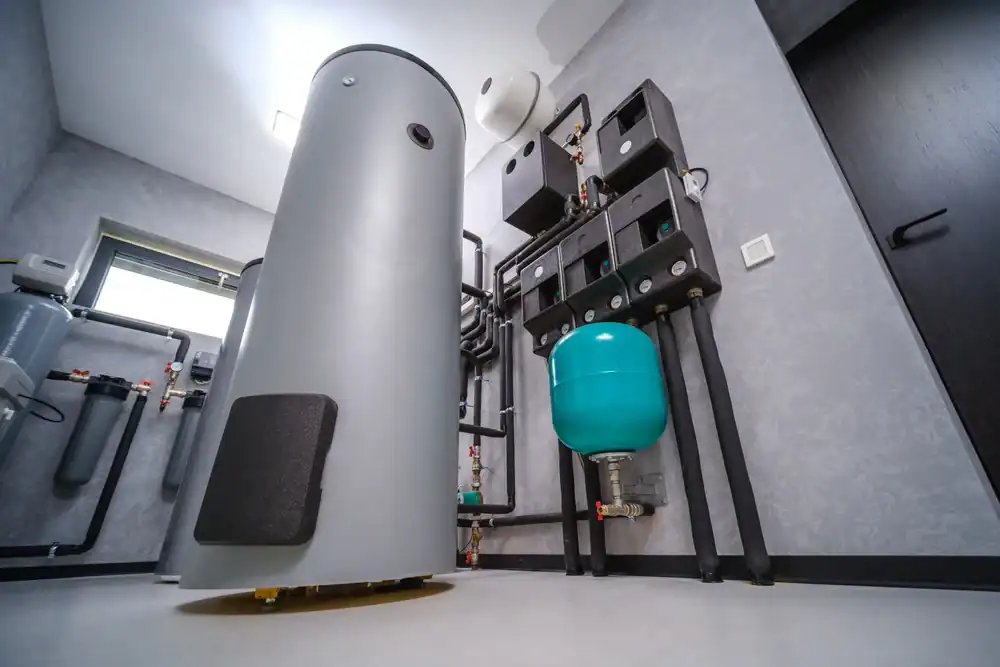
The average water heater lifespan sits somewhere between 8 and 12 years. That’s not a guarantee—it’s an average. Some units fail earlier, especially if they’re working overtime or dealing with hard water. Others might push past 15 years if they’ve been maintained well and aren’t under heavy demand.
Tankless water heaters tend to last longer, often hitting 20 years or more with proper care. But the standard tank models most Brevard County homes rely on? They’re usually on borrowed time once they hit the decade mark. And here in Florida, factors like coastal humidity and mineral-heavy water can shorten that window even further.
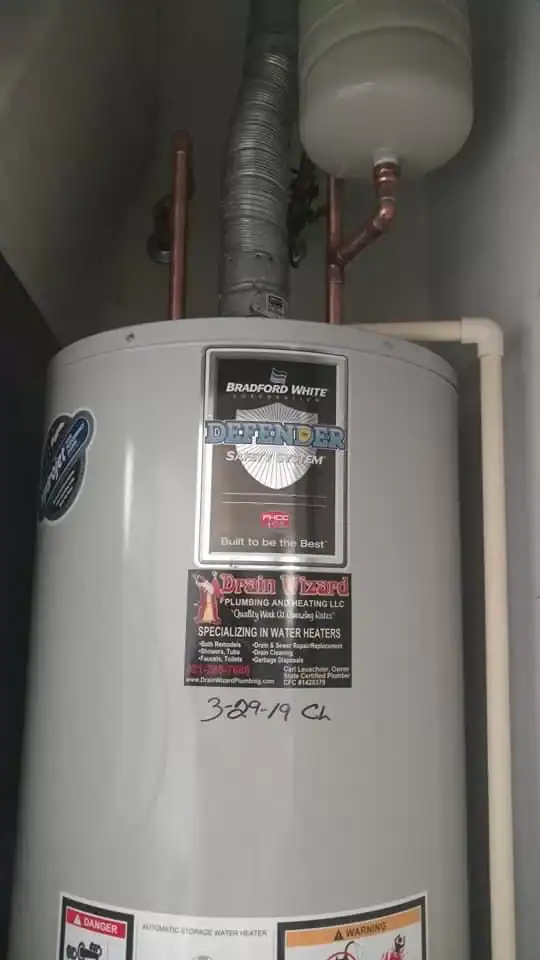
Not all water heaters age the same way. Location matters. Installation quality matters. And in Brevard County, the environment matters more than you might think.
Coastal humidity accelerates corrosion on tank exteriors and connections. It’s not dramatic, but over years, that moisture in the air takes a toll. Then there’s water quality. Hard water—common in parts of Florida—leaves mineral deposits inside the tank. Those deposits build up, reduce efficiency, and eventually cause the heating elements or burners to work harder than they should. That extra strain shortens the unit’s life.
Maintenance plays a role too. Flushing the tank annually to remove sediment can add years to a water heater’s lifespan. Most people skip it. That’s understandable—it’s one more thing to remember. But if your water heater has never been flushed and it’s approaching 10 years old, the sediment buildup inside is probably significant. That buildup doesn’t just reduce efficiency. It also increases the risk of leaks and internal damage.
Then there’s usage. A household of two using a 50-gallon tank will put far less stress on the system than a family of five running back-to-back showers, laundry, and dishwashers. High-demand households tend to see failures closer to the 8-year mark, while lighter users might stretch it to 12 or beyond.
Installation quality is another factor that doesn’t get enough attention. A water heater installed by someone who cut corners—wrong venting, improper connections, no expansion tank when one’s required—won’t last as long as one installed correctly the first time. And if the unit wasn’t sized properly for the household, it’s been working harder than necessary from day one.
Water heaters don’t usually fail without warning. They give you signs. The question is whether you’re paying attention.
Inconsistent water temperature is one of the first clues. If your shower goes from hot to lukewarm halfway through, or if you’re constantly adjusting the faucet to find a comfortable temperature, something’s off. It could be a failing heating element on an electric unit or a thermostat issue on a gas model. Either way, it’s a sign the system isn’t performing the way it should.
Running out of hot water faster than usual is another red flag. Maybe your 50-gallon tank used to handle two showers and a load of laundry without issue, but now you’re running out halfway through the second shower. That’s often caused by sediment taking up space in the tank, leaving less room for hot water. It can also indicate a failing heating element or burner that’s no longer able to keep up with demand.
Strange noises—rumbling, popping, or banging—usually mean sediment has hardened at the bottom of the tank. As the water heats, it forces its way through that sediment, causing the noise. It’s not just annoying. It’s a sign that the tank is working harder than it should, which accelerates wear and increases the risk of cracks or leaks.
Discolored water coming from your hot water taps is a serious concern. Rusty or brownish water often means the inside of the tank is corroding. Once that starts, it’s only a matter of time before a leak develops. If you’re seeing discolored water only when you run hot water (not cold), the water heater is the likely culprit.
Visible corrosion or rust on the outside of the tank, especially around the connections or at the base, is another warning sign. Corrosion weakens the tank’s structure and often indicates internal issues as well. If you’re seeing rust, don’t wait. That tank is on its way out.
Leaks or moisture around the base of the water heater are the most urgent sign. Even a small leak can quickly become a major problem. Water heaters hold 40 to 80 gallons, and if the tank ruptures, all of that water is going somewhere—your floor, your walls, your belongings. Leaks don’t fix themselves, and they rarely stay small for long.
Age is a factor even if everything seems fine. If your water heater is over 10 years old and you haven’t had any issues yet, you’re lucky. But luck runs out. The risk of sudden failure increases significantly after the 10-year mark, and when it happens, you’re looking at an emergency replacement with limited options and higher costs.
Want live answers?
Connect with a Drain Wizard Plumbing expert for fast, friendly support.
Replacing a water heater in Brevard County in 2026 typically costs between $1,200 and $4,500 for a standard tank model, including professional installation services. Tankless and high-efficiency systems run higher, usually between $4,500 and $10,000 or more, depending on the complexity of the installation and whether you need upgrades to gas lines, electrical systems, or venting.
Labor makes up a significant chunk of that cost—often 30 to 50 percent of the total. A straightforward replacement where you’re swapping out an old tank for a new one of the same type and size is on the lower end. But if you’re upgrading to a different type of system, moving the location, or bringing plumbing up to current code, 2026 water heater costs go up accordingly.
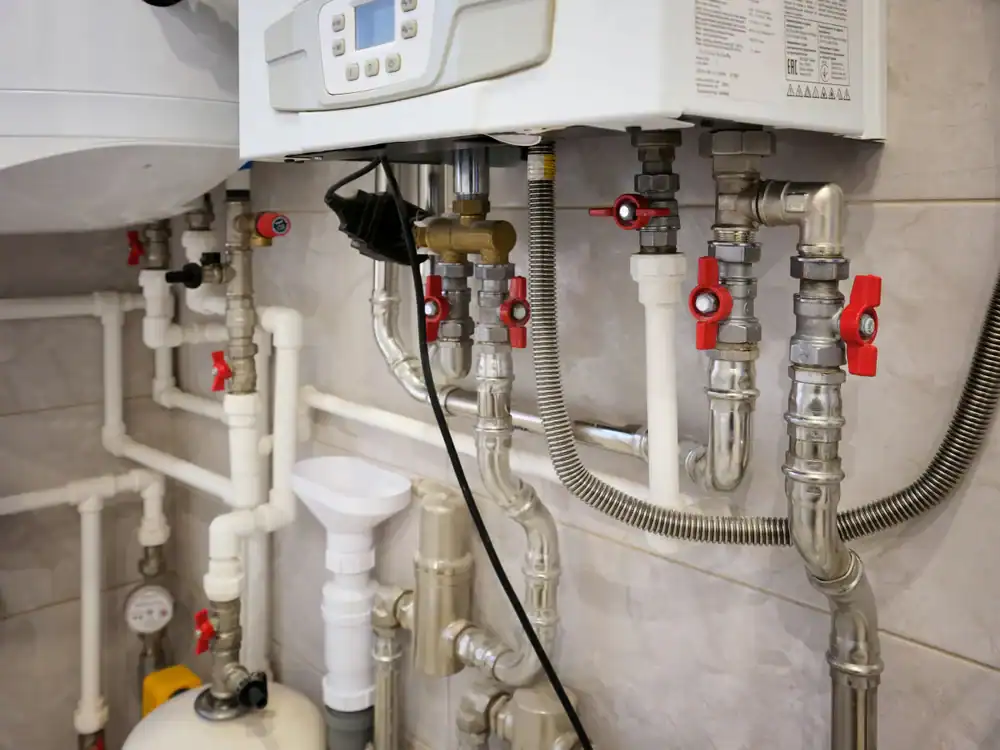
The type of water heater you choose makes the biggest difference in cost. Standard tank water heaters are the most affordable option upfront. A 40 to 50-gallon gas or electric tank typically costs between $1,200 and $2,500 installed. They’re reliable, straightforward, and most plumbers can install them in a few hours.
Tankless water heaters cost more initially but offer long-term savings through energy efficiency. Expect to pay $4,500 to $10,000 for a tankless system, including installation. The higher cost comes from the unit itself, which is more complex, and the installation, which often requires upgrades to gas lines, electrical capacity, or venting. If you’re converting from a tank to tankless, the labor costs can double.
Heat pump water heaters fall somewhere in between. They’re more expensive than standard electric tanks but far more efficient, using up to 70 percent less energy. In Florida’s climate, they’re a solid choice. Costs typically range from $2,500 to $5,000 installed, but local plumbing rebates can bring that down significantly. Duke Energy offers up to $800 for qualifying heat pump models, and JEA offers $350. Clay Electric provides $175 rebates for hybrid heat pump water heaters. Those rebates can make a real difference in the overall cost.
Size matters too. A 30-gallon tank costs less than an 80-gallon tank, both in terms of the unit itself and the labor to install it. But going too small to save money upfront is a mistake. If the water heater can’t keep up with your household’s demand, you’ll be dealing with cold showers and frustration. It’s better to size it correctly from the start.
Permits and code compliance add to the cost, though they’re non-negotiable. Most municipalities in Brevard County require permits for water heater replacement, which can run anywhere from $50 to $500 depending on the scope of work. If your current setup doesn’t meet current code—maybe you need an expansion tank, upgraded venting, or earthquake straps—those upgrades get added to the bill.
Disposal of the old unit is usually included in a plumber’s quote, but not always. If it’s not, expect to pay $75 to $200 for removal and disposal. Some contractors charge extra if the old unit is still full of water or difficult to access.
Emergency replacements cost more. If your water heater fails on a weekend or after hours and you need it replaced immediately, you’ll pay a premium for that urgency. That’s one of the strongest arguments for replacing a water heater before it fails—you avoid those emergency service fees and have time to shop around for the best price.
Getting the size right is one of the most important decisions you’ll make when replacing a water heater. Too small, and you’ll run out of hot water constantly. Too large, and you’re paying more upfront and wasting energy heating water you don’t need.
For tank water heaters, capacity is measured in gallons. A household of one or two people can usually get by with a 30 to 40-gallon tank. Three people typically need a 40 to 50-gallon tank. Four people should look at 50 gallons, and five or more people often need 60 to 80 gallons—or they should consider going tankless.
But household size isn’t the only factor. Usage patterns matter just as much. If everyone showers at the same time in the morning, or if you’re running the dishwasher and washing machine while someone’s in the shower, you need more capacity than a household where hot water use is staggered throughout the day.
The first hour rating (FHR) is a better way to size a tank water heater than just looking at gallon capacity. The FHR tells you how much hot water the unit can deliver in the first hour of use when the tank is fully heated. You want an FHR that matches or exceeds your household’s peak hour demand—the busiest hour of hot water use in your home.
To estimate peak hour demand, add up the gallons used during your household’s busiest hour. A shower uses about 15 gallons. Running the dishwasher uses 7 to 10 gallons. A load of laundry uses 7 gallons. Shaving with hot water running uses 2 gallons. Add it all up, and that’s your peak demand. Find a water heater with an FHR that meets or exceeds that number.
Tankless water heaters are sized differently. Instead of gallon capacity, they’re rated by flow rate, measured in gallons per minute (GPM). You need to figure out how many fixtures might be running at the same time and add up their flow rates. A shower typically uses 2 to 3 GPM. A dishwasher uses 2 to 3 GPM. A washing machine uses 3 to 5 GPM. If you might run two showers and the dishwasher simultaneously, you’re looking at 7 to 9 GPM.
You also need to account for temperature rise—the difference between the incoming cold water temperature and the desired hot water temperature. In Florida, groundwater temperatures are warmer than in northern states, usually around 70 to 75 degrees. You want your hot water around 110 to 120 degrees. That means you need a temperature rise of about 40 to 50 degrees, which is easier for a tankless unit to achieve than in colder climates where the temperature rise might be 70 degrees or more.
We can help you size the right unit for your household. We’ll ask about your family size, your usage patterns, and your peak demand times. We’ll also consider Florida-specific factors like incoming water temperature and whether you have hard water that might affect performance. Getting the sizing right from the start saves you from headaches down the road.
The best time to replace your water heater is before it fails. If your unit is over 10 years old, showing signs of wear, or struggling to keep up with your household’s demand, don’t wait for it to quit completely. Replacing it on your timeline gives you control over the process, access to better pricing, and the opportunity to explore energy-efficient options that can save you money over the long term.
Waiting for failure might seem like you’re getting the most out of your investment, but it often costs more in the end. Emergency replacements are more expensive. Water damage from a leaking or ruptured tank can run into the thousands. And when you’re in a rush, you don’t have time to compare options, apply for local plumbing rebates, or make sure you’re getting the right size and type for your home.
If you’re in Brevard County, FL and your water heater is approaching the end of its lifespan, reach out to us at Drain Wizard. We’ll assess your current system, help you understand your options, and make sure the replacement is done right the first time.
Article details:
Share:
Continue learning: